



Join Our List and Get
Be the first to know about the latest deals, style updates & more!
Newsletter
 Paul k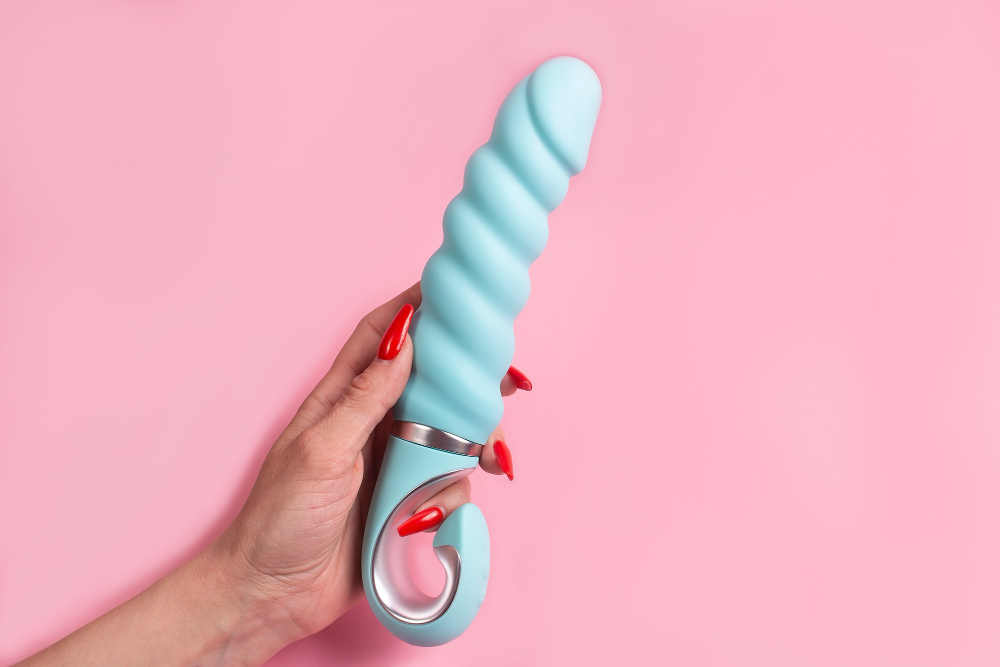
The history of the vibrator, which has become a symbol of sexual liberation and wellness, is a fascinating journey from its origins to its modern-day popularity. Despite the buzz (pun intended) surrounding it today, the vibrator began as a medical tool rather than a pleasure device.
The vibrator's story begins in the late 19th century with British inventor and physician Joseph Mortimer Granville. In the 1880s, Granville patented an electric percusser, known as "Granville's Hammer," which was originally intended for treating male nerve disorders. Granville believed that nerves exhibited specific vibratory frequencies, and any deviation could cause illness. His device aimed to restore healthy vibrations, but its application for sexual pleasure was unintended and initially unnoticed.
At that time, electricity was not widely available in homes, so doctors were the primary operators of these early vibrators. They used them to treat various ailments in both men and women, including constipation and hearing loss. Contrary to popular myths, there is little evidence that Victorian doctors used vibrators to induce orgasms in women as a treatment for "hysteria." However, vibrators were sometimes used vaginally to treat a range of so-called "female ailments."
By the early 20th century, as the medical community began to view vibrators as quackery, manufacturers shifted their marketing from physicians to consumers. Vibrators started appearing in homes as "household appliances," often advertised as tools to cure numerous ailments like asthma, paralysis, and even wrinkles. Despite the absence of explicit sexual references in these advertisements, the use of vibrators as sexual stimulators likely became a discreet discovery for many women during this time, although documentation is sparse due to societal taboos surrounding female sexuality.
The vibrator's journey towards becoming a tool for sexual liberation truly gained momentum during the sexual revolution of the 1960s and '70s, coinciding with the rise of second-wave feminism. As women fought for greater autonomy over their bodies, discussions about sexuality became increasingly politicized. Pioneers like sex educator Betty Dodson played a crucial role by teaching women about masturbation and the importance of self-pleasure as a form of empowerment.
Dodson's workshops, where she demonstrated the use of vibrators like the Hitachi Magic Wand, were revolutionary. These sessions were part of a broader feminist movement that sought to dismantle patriarchal norms and reclaim women's sexuality. At the same time, women-owned sex shops like Eve's Garden in New York and Good Vibrations in San Francisco began offering vibrators in a safe and welcoming environment, making them more accessible to a broader audience.
The 1990s marked a turning point for vibrators in popular culture, particularly with the debut of the Rabbit vibrator on the HBO series "Sex and the City." This portrayal of vibrators on a mainstream show helped normalize their use and brought the conversation about female sexual pleasure into the public eye. Although early depictions were sometimes fraught with stigma, they were crucial in mainstreaming the acceptance of vibrators.
Today, vibrators are more than just sex toys; they are recognized as tools for sexual wellness, contributing to a broader understanding of health that includes sexual pleasure. The World Health Organization (WHO) now defines sexual health as a fundamental aspect of overall well-being, encompassing not just the absence of disease but also the possibility of having pleasurable and safe sexual experiences.
The modern vibrator market is diverse, offering products that range from affordable options to high-tech devices equipped with features like biofeedback, which can help users optimize their sexual experiences. Despite the progress, challenges remain, particularly in addressing the stigma that still surrounds female masturbation and sexual wellness.
Vibrator companies like Dame have even had to fight legal battles, such as their 2019 lawsuit against New York’s Metropolitan Transit Authority (MTA) for refusing to allow vibrator ads on the subway while accepting ads for erectile dysfunction pills. This case highlights the ongoing double standards in how male and female sexual wellness products are treated in public discourse.
The history of the vibrator is a testament to the evolving understanding of female sexuality and the ongoing struggle for sexual rights and wellness. From its origins as a misunderstood medical device to its role in the sexual revolution and beyond, the vibrator has become a powerful symbol of empowerment and self-care. As society continues to challenge outdated taboos, the vibrator's story reminds us of the importance of pleasure in the broader context of health and well-being.

 Paul k
 Paul k